
I’ve worked as a nurse injector in medical aesthetics for more than a decade, and if there’s one thing I’ve learned, it’s that choosing the right College Station med spa has less to do with flashy before-and-after photos and more to do with how carefully the provider evaluates your face, your skin, and your goals before ever reaching for a syringe or a laser handpiece. I’ve seen great work come from a modest, well-run practice, and I’ve seen disappointing results come from beautiful offices that rushed people through consultations.
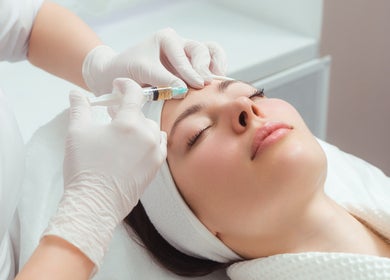
The first thing I pay attention to is whether the consultation feels medical or purely sales-driven. In my experience, that tells you almost everything. A quality med spa should ask about your health history, past treatments, medications, skin sensitivities, and what specifically bothers you when you look in the mirror. If someone jumps straight to recommending filler, tox, or a package deal without slowing down to assess you, I’d be cautious. A patient came to me last spring after being overtreated elsewhere. She was not asking for anything dramatic. She just wanted to look less tired. Instead, she’d been sold more product than her face needed, and the result was that slightly puffy, overfilled look people worry about. We had to spend months letting things settle and making a more conservative plan.
That is one reason I usually advise people to be wary of med spas that promise quick transformations. Good aesthetic work is often subtle. The best compliment my patients get is not, “Who did your lips?” It’s, “You look rested,” or “Did you change your skincare?” A thoughtful provider understands restraint. I say that because I’ve had to correct the opposite more times than I’d like.
I also think experience matters, but not in a superficial way. Credentials should connect directly to patient care. In my own practice, I’ve found that technical skill matters most in the small decisions: where not to inject, when to postpone treatment because the skin barrier is compromised, when a patient needs skincare before lasers, or when expectations need to be reset. A few years ago, I saw a woman before a major family event who wanted aggressive resurfacing on a tight timeline. She was convinced more intensity meant better results. I advised against it because I knew from experience her recovery would likely outlast the occasion. She was disappointed at first, but later thanked me because a gentler treatment plan got her improvement without the stress of prolonged redness.
Another thing I tell people in College Station is to ask how follow-up is handled. This is an underrated question. In a well-run med spa, your care does not end when you leave the treatment chair. You should know what to expect during recovery, what side effects are normal, and how to reach someone if something feels off. I’ve personally taken calls from anxious first-time patients worried about swelling that turned out to be completely normal, and that reassurance matters.
If I were advising a friend, I’d tell them to choose the place that feels measured, honest, and medically grounded. The right provider won’t push every trendy treatment. They’ll explain why something fits your face, your skin, and your comfort level. That kind of judgment is what protects both your results and your confidence.